


Money market account benefits can include earning interest while keeping your savings accessible, potential check-writing or debit-card access, and federal deposit insurance when the account is eligible and held at an insured institution.
That combination can make a money market account useful for emergency savings and other short-term goals.
However, money market accounts aren’t automatically better than high-yield savings accounts. Some have minimum balance requirements, monthly fees or less competitive rates.
Understanding both the advantages and disadvantages can help you decide whether one belongs in your savings strategy.
If you’re unfamiliar with how these accounts work, start with our guide explaining what a money market account is.
What Are the Main Benefits of a Money Market Account?
- Your balance can earn interest.
- Some accounts offer competitive APYs.
- Your money remains relatively accessible.
- Some accounts provide checks or debit-card access.
- Eligible deposits can receive federal deposit insurance.
- They can work for emergency funds and short-term savings goals.
The exact features vary by financial institution, so not every money market account provides every benefit.
1. Money Market Accounts Earn Interest
One of the biggest money market account benefits is the ability to earn interest on cash you want to keep accessible.
Your earnings are generally expressed as an annual percentage yield (APY). A higher APY can make a meaningful difference, particularly with larger balances.
| APY | Approximate Balance After One Year* |
|---|---|
| 0.50% | $10,050 |
| 2.00% | $10,200 |
| 3.00% | $10,300 |
| 4.00% | $10,400 |
*Simplified illustration. Actual earnings depend on compounding, rate changes, deposits, withdrawals and account terms.
Money market rates are generally variable, so the APY can change after you open the account. You can compare the latest options in our guide to money market account rates.

2. Your Savings Remain Accessible
A money market account generally provides easier access to your savings than a certificate of deposit.
With a traditional CD, withdrawing principal before maturity can trigger an early withdrawal penalty. Money market accounts don’t normally lock your money away for a predetermined term.
Depending on the institution, you may be able to access your funds through electronic transfers, ATM withdrawals, a debit card or checks.
If locking money away isn’t a problem, however, a CD may still be worth comparing. See what a CD account is for the differences.
3. Some Money Market Accounts Offer Check-Writing
Certain MMAs allow you to write checks directly against the account. That can be useful when you’re saving for a large planned expense.
4. Some Accounts Include a Debit or ATM Card
Some money market accounts provide debit-card or ATM access. This can make your savings easier to reach when necessary.
However, accessibility can have a downside. If having a debit card makes it too easy to spend money intended for savings, a high-yield savings account without direct card access may provide better separation between everyday spending and savings.
5. Money Market Accounts Can Be FDIC Insured
At an FDIC-insured bank, eligible money market deposit accounts can receive federal deposit insurance.
The standard FDIC insurance amount is generally $250,000 per depositor, per insured bank, for each account ownership category. Qualifying accounts at federally insured credit unions receive protection through the NCUA-administered Share Insurance Fund under applicable rules.
But don’t confuse a money market deposit account with a money market mutual fund. The latter is an investment product and isn’t FDIC-insured.
Read our complete guide to whether money market accounts are FDIC insured before depositing a large balance.
6. They Can Work Well for Emergency Funds
A good emergency fund generally needs two characteristics: safety and accessibility.
A money market deposit account can potentially provide both while allowing the balance to earn interest.
If you’re still building your reserve, our guide explains how to build an emergency fund.
7. Money Market Accounts Can Help With Short-Term Savings Goals
Money market accounts aren’t limited to emergency funds. They can also be used for goals such as a home down payment, a future vacation, home repairs, a vehicle purchase, annual insurance premiums or another planned expense.
If buying a home is your goal, see our guide on how to save for a house down payment.
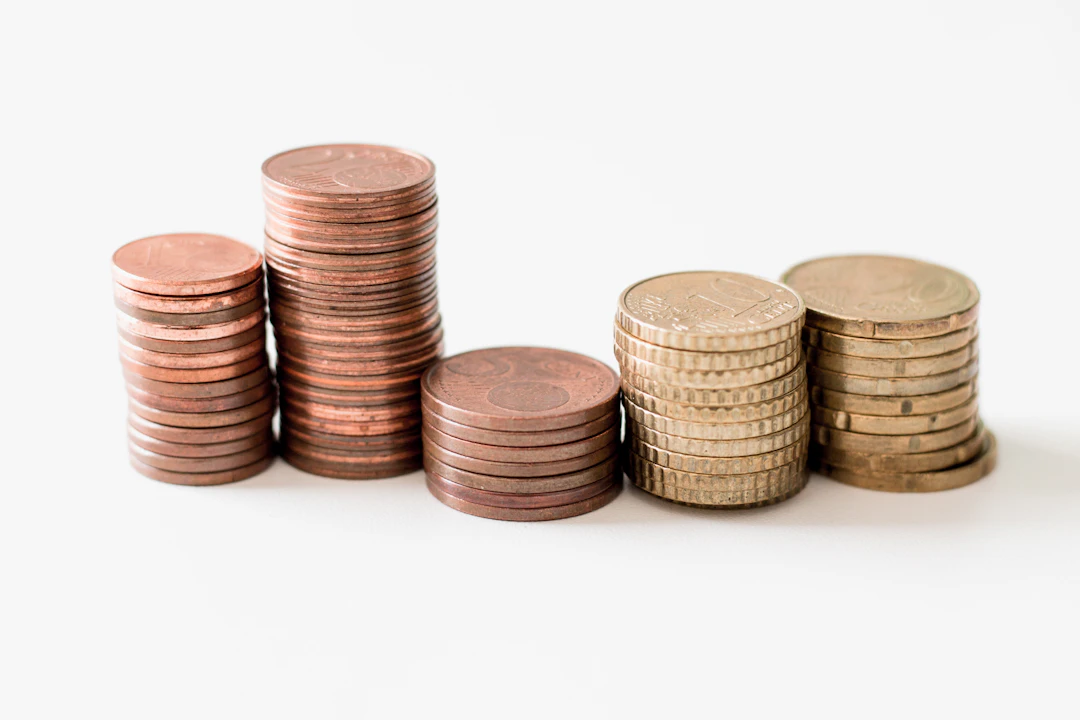
8. You May Earn More Than With a Traditional Savings Account
Some competitive money market accounts offer APYs significantly above the rates available on basic savings accounts at some institutions.
However, don’t assume the words “money market” automatically mean a high rate. Compare the actual APY.
9. You Can Separate Savings From Everyday Spending
Keeping savings in a separate account can make it easier to distinguish money reserved for a goal from money available for normal expenses.
10. Money Market Accounts Can Combine Features of Checking and Savings
One reason people find MMAs attractive is that some combine characteristics associated with both account types: interest similar to a savings product plus access features sometimes associated with checking accounts.
What Are the Disadvantages of a Money Market Account?
Minimum Balance Requirements
Some MMAs require a minimum deposit to open the account. Others require a certain balance to earn the advertised APY or avoid monthly fees.
Our guide to money market account minimum balance requirements explains this in detail.
Monthly Fees
Some money market accounts charge maintenance fees. A fee can be particularly damaging when the balance is relatively small.

Rates Can Change
Money market account APYs are generally variable. An account offering an attractive rate today may pay less later.
The Highest Advertised APY May Have Conditions
A bank may advertise an attractive APY that applies only to certain balances or customers who satisfy particular conditions.
Easy Access Can Encourage Spending
Accessibility is an advantage only if it matches your behavior.
Money Market Account Pros and Cons at a Glance
| Pros | Cons |
|---|---|
| Earns interest | APY can change |
| Potentially competitive APY | Some accounts have minimum balances |
| Funds remain accessible | Monthly fees may apply |
| Check-writing may be available | Highest APY may have conditions |
| Debit/ATM access may be available | Easy access can encourage spending |
| Eligible deposits may be federally insured | Not always the highest-yielding savings option |
| Useful for short-term savings | Features vary significantly by institution |
Money Market Account vs. High-Yield Savings: Which Has More Benefits?
There isn’t a universal winner. Both account types can earn interest, offer variable APYs, keep savings accessible and receive federal deposit insurance when eligible.
If you’re choosing between the two, read our full money market account vs high yield savings account comparison.
Money Market Account vs. Checking Account
A checking account is primarily designed for frequent transactions, while a money market account is generally better positioned as a savings vehicle.
For more on everyday bank accounts, read our checking vs savings account comparison.
Money Market Account vs. CD
| Feature | Money Market Account | Traditional CD |
|---|---|---|
| Rate | Usually variable | Generally fixed for term |
| Access | Relatively flexible | Limited before maturity |
| Term | No fixed maturity | Fixed term |
| Early withdrawal penalty | Generally no CD-style penalty | Often applies |
| Check/card access | Sometimes | Generally no |
Who Can Benefit Most From a Money Market Account?
An MMA may be worth considering if you want to earn interest on cash, need access to the money, want an account for emergency savings, are saving for a short-term goal, value optional check or card access and can comfortably meet any applicable balance requirements.
How to Choose a Money Market Account
- APY: What will your actual balance earn?
- Minimum deposit: How much is required to open it?
- Minimum balance: Is one required to earn the advertised rate?
- Monthly fee: Is there one, and can it be waived?
- Access: Are checks, ATM access or a debit card available?
- Deposit insurance: Is the institution federally insured and is the product eligible?
- Transfer rules: How easily can you move your money?
Our best money market accounts of 2026 can help you evaluate individual options.
Frequently Asked Questions
What are the main benefits of a money market account?
Potential benefits include earning interest, keeping savings accessible, receiving check-writing or card access on some accounts, and federal deposit insurance for eligible deposits at insured institutions.
What is the biggest advantage of a money market account?
For many savers, the biggest advantage is combining interest earnings with relatively convenient access to cash.
What is the downside of a money market account?
Potential drawbacks include variable rates, minimum balance requirements, monthly fees and conditions attached to advertised APYs.
Are money market accounts safe?
Eligible money market deposit accounts at FDIC-insured banks or federally insured credit unions can receive federal deposit/share insurance subject to applicable limits and rules. Money market mutual funds are different and aren’t FDIC-insured.
Is a money market account good for an emergency fund?
It can be. An MMA may combine interest earnings, accessibility and deposit insurance, making it potentially useful for emergency savings if its fees and balance requirements are suitable.
Is a money market account better than a savings account?
Not necessarily. Compare APYs, fees, minimum balances and access features.
Can you lose money in a money market account?
Eligible deposits at an insured institution are protected up to applicable federal insurance limits if the institution fails. However, fees can reduce your balance. Money market mutual funds are investment products and involve different risks.
Is it worth putting money in a money market account?
It can be when the account offers a competitive APY, manageable requirements, low or no fees and the access features you need.
Final Thoughts
The most useful money market account benefits are the combination of interest earnings, accessibility and potential deposit-insurance protection.
Some accounts add check-writing or debit-card access, making them particularly flexible for emergency funds and short-term savings.
But an MMA isn’t automatically the best savings option. Check the APY, minimum balance, fees and access requirements before opening one.
To evaluate actual accounts, continue with our best money market accounts of 2026 and current money market account rates.
Financial Disclaimer: SmartCentHub provides educational information only and does not provide personalized financial, investment, tax or legal advice. Rates, fees and account terms can change. Verify current information directly with the financial institution before opening an account.