

📢 Disclosure: This post contains affiliate links. We may earn a commission at no extra cost to you. We only recommend products we genuinely believe in.
Building an emergency fund is one of the most important financial moves you can make — and learning how to build an emergency fund doesn’t require a six-figure salary or years of financial experience. Whether you’re starting from zero or trying to reach your savings goal faster, this guide walks you through every step with clear, actionable advice. An emergency fund is your financial safety net: the money that keeps a car repair, a medical bill, or a sudden job loss from turning into a debt spiral.
What Is an Emergency Fund?
An emergency fund is a dedicated savings account set aside specifically for unexpected financial emergencies. Unlike your regular savings or investment accounts, this money is not meant to grow aggressively — it’s meant to be available at a moment’s notice. Think of it as a personal insurance policy against life’s financial surprises.
Common emergencies that drain finances include:
- Job loss or a sudden reduction in income
- Medical or dental emergencies not fully covered by insurance
- Major car repairs or urgent home repairs
- Emergency travel (family illness, funeral)
- Appliance replacement (refrigerator, water heater)
Without an emergency fund, most people turn to credit cards or personal loans — which carry high interest rates and can take years to pay off. According to the Federal Reserve, nearly 4 in 10 American adults would struggle to cover an unexpected $400 expense.
How Much Should You Save in an Emergency Fund?
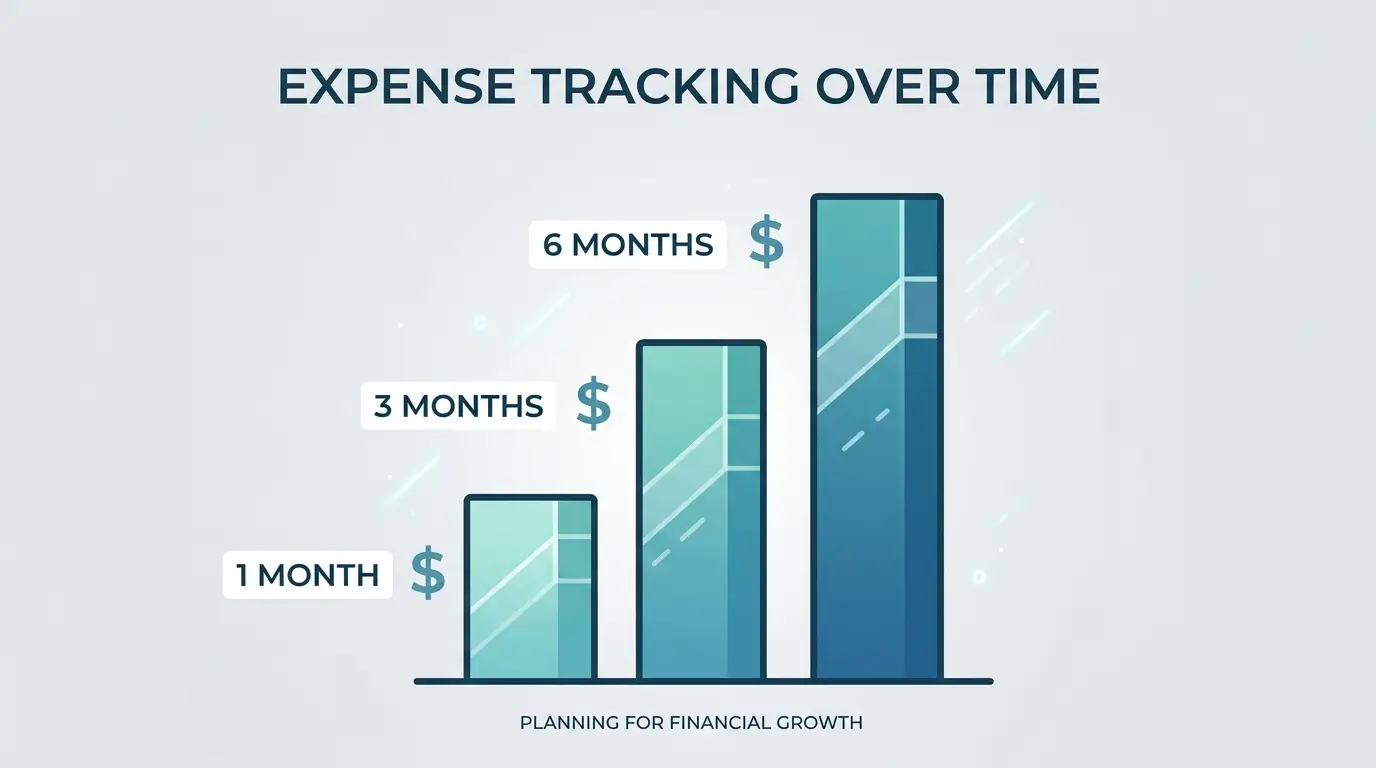
The most commonly recommended emergency fund target is 3 to 6 months of essential living expenses. The right amount depends on your personal situation.
3 Months of Expenses: Who It’s For
A 3-month emergency fund is appropriate if you have a stable job, dual income in your household, no dependents, and relatively low fixed expenses. This is a great starting target early in your financial journey.
6 Months of Expenses: Who It’s For
A 6-month emergency fund is recommended for self-employed individuals, freelancers, single-income households, people with dependents, or anyone in a volatile industry. The more unpredictable your income, the larger your cushion should be.
How to Calculate Your Target
Add up your core monthly expenses: rent or mortgage, groceries, utilities, insurance premiums, loan minimums, and transportation. Multiply by 3 (minimum) or 6 (ideal). If your essential monthly expenses are $2,500, your target range is $7,500–$15,000.
Step 1 — Open a Dedicated High-Yield Savings Account
The first step to building an emergency fund is choosing the right place to keep it. Your emergency fund should be:
- Separate from your checking account — so you’re not tempted to dip into it
- Easily accessible — withdrawable within 1–3 business days
- Earning interest — a high-yield savings account (HYSA) grows your fund while it sits
- FDIC-insured — your deposits are protected up to $250,000 per depositor
High-yield savings accounts at online banks often offer APYs of 4% to 5%, compared to the national average of just 0.46% at traditional banks. To understand how APY works, read our guide on what APY means in savings accounts. And for a full walkthrough on opening one, see our guide on how to open a bank account online.
Step 2 — Set a Starter Goal of $1,000
If a $10,000 target feels overwhelming, break it down. Your first milestone should be simple and achievable: $1,000. This won’t cover every emergency, but it creates a meaningful buffer that prevents most small crises from becoming debt.
- A minor car repair
- A trip to urgent care
- An unexpected utility bill spike
- A broken phone screen
Once you hit $1,000, keep going. Increase your goal to 1 month of expenses, then 3, then 6. Each milestone is a win.
Step 3 — Build a Budget That Frees Up Savings
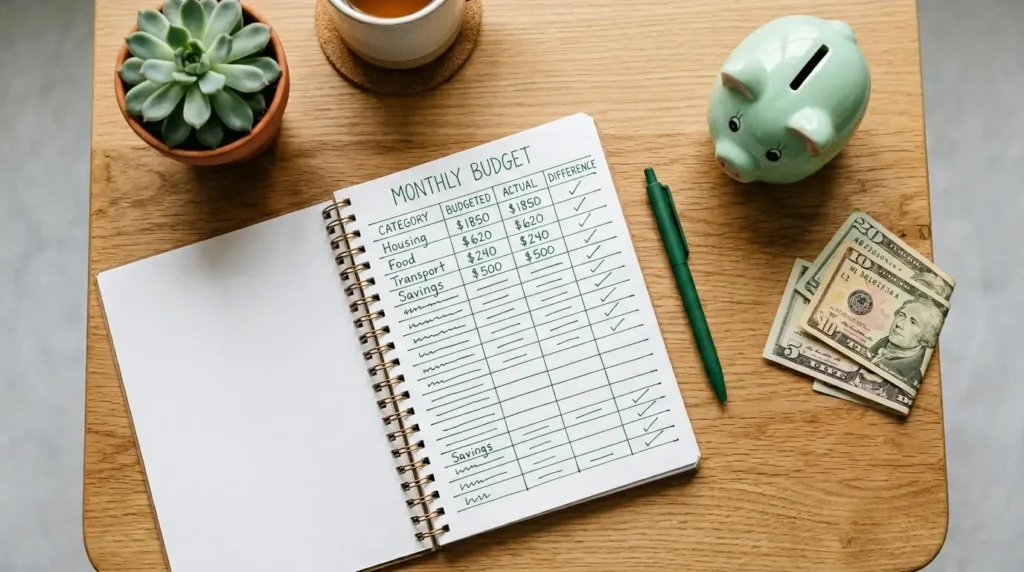
You can’t save money you don’t have — which means you need to identify room in your current budget. Two popular frameworks help:
The 50/30/20 Rule
This method allocates 50% of after-tax income to needs, 30% to wants, and 20% to savings and debt repayment. Building your emergency fund falls in the 20% bucket. Read our 50/30/20 budget rule guide for the full breakdown.
Zero-Based Budgeting
With zero-based budgeting, every dollar of income gets assigned a specific job — including a contribution to your emergency fund. Nothing is left unallocated. Learn more in our zero-based budgeting guide.
Step 4 — Automate Your Savings
The single most effective habit for building an emergency fund is automation. When saving is manual, life gets in the way. When it’s automatic, it happens every time — no willpower required.
- Open your HYSA and nickname it “Emergency Fund”
- Set up a recurring transfer from your checking account on payday
- Start small — even $25 or $50 per paycheck builds the habit
- Increase the amount whenever you get a raise, reduce a bill, or pay off a debt
The principle is simple: pay yourself first, before you have a chance to spend the money on something else. Most banks let you schedule automatic transfers for free in their mobile app.
Step 5 — Find Extra Money to Speed Things Up
Cut Recurring Subscriptions
Review your bank and credit card statements for forgotten subscriptions — streaming services, unused gym memberships, apps, annual renewals. These can add up to $50–$150/month. Cancel what you don’t use and redirect that money to your emergency fund.
Use Windfalls Strategically
Tax refunds, bonuses, birthday money, and overtime pay are all opportunities for a large one-time contribution. A single $1,200 tax refund deposited directly into savings can cut your timeline in half.
Sell Items You No Longer Need
Unused electronics, furniture, clothing, and sports equipment can turn into quick cash on Facebook Marketplace, eBay, or Craigslist. A weekend of decluttering could net $200–$500 toward your starter goal.
Temporarily Reduce Investing
If you don’t yet have a 3-month emergency fund, consider pausing extra investment contributions (beyond your employer 401(k) match) until you hit your target. Once your fund is built, redirect that money back to investing. See our guide on what a Roth IRA is for next steps.

Where Should You Keep Your Emergency Fund?
| Account Type | Accessibility | APY (Typical) | Best for Emergency Fund? |
|---|---|---|---|
| High-Yield Savings (HYSA) | 1–3 business days | 4%–5% | ✅ Yes — ideal choice |
| Traditional Savings | Same day | 0.01%–0.50% | ⚠️ Low return |
| Money Market Account | 1–3 business days | 3%–4.5% | ✅ Good alternative |
| Checking Account | Immediate | 0%–0.1% | ❌ Too tempting |
| Stocks / ETFs | 2–5+ days + risk | Variable | ❌ Never |
| Certificates of Deposit | Locked in | 4%–5% | ❌ Not liquid enough |
Common Emergency Fund Mistakes to Avoid
- Keeping it in your checking account — mixing emergency savings with daily spending leads to accidental use. Always use a separate account.
- Investing your emergency fund — a 30% market drop right when you need the money defeats the purpose entirely.
- Using it for non-emergencies — a sale, a gadget, or a weekend trip is not an emergency. Define clear rules for yourself.
- Not adjusting your target over time — revisit your target at least once a year as income or expenses change.
- Waiting until debt is paid off to start — without any cushion, you’ll use credit cards for the next surprise, adding more debt. Build at least $1,000 first.

Emergency Fund vs. Other Financial Priorities
- Build a $1,000 starter emergency fund — this comes first, before everything else
- Capture your employer 401(k) match — it’s a 50%–100% instant return on your money
- Pay off high-interest debt (credit cards, payday loans) aggressively
- Grow emergency fund to 3–6 months of essential expenses
- Invest consistently — Roth IRA, index funds, dollar-cost averaging
How Long Does It Take to Build an Emergency Fund?
| Monthly Contribution | Time to $1,000 | Time to $5,000 | Time to $10,000 |
|---|---|---|---|
| $50/month | 20 months | 100 months | 200 months |
| $100/month | 10 months | 50 months | 100 months |
| $200/month | 5 months | 25 months | 50 months |
| $300/month | 3–4 months | 17 months | 33 months |
| $500/month | 2 months | 10 months | 20 months |
Frequently Asked Questions
How much should I have in my emergency fund?
Most financial experts recommend 3 to 6 months of essential living expenses. Start with a $1,000 starter goal, then build from there. The right amount depends on your job stability, number of dependents, and monthly fixed costs.
Where should I keep my emergency fund?
The best place is a high-yield savings account (HYSA) at an FDIC-insured bank. These accounts offer 4%–5% APY, give you access within 1–3 business days, and keep your money separate from everyday spending.
Should I build an emergency fund before paying off debt?
Yes — build at least $1,000 first. Without a cushion, you’ll likely turn to credit cards the next time an unexpected expense hits, adding more debt. A small emergency fund breaks that cycle.
Can I invest my emergency fund?
No. Your emergency fund should never be in stocks or ETFs. Markets can drop 20–30% right when you need the money most. Keep it in a stable, liquid, FDIC-insured savings account.
What counts as a real emergency?
A real emergency is an unexpected, unavoidable expense: a medical bill, job loss, urgent car or home repair, or emergency travel. Planned expenses like vacations or holiday shopping are not emergencies — save for those separately.
Final Thoughts: Your Emergency Fund Is Your Financial Foundation
Learning how to build an emergency fund is one of the highest-return habits you can develop. It doesn’t require a high income, a financial degree, or years of experience — just a clear goal, a dedicated account, automatic contributions, and patience. Start small, stay consistent, and let time do the work.
Once your emergency fund is solid, you’re ready to build real wealth. Check out our guides on what a Roth IRA is and dollar-cost averaging — two powerful tools for long-term wealth building.
Financial Disclaimer: The information on SmartCentHub.com is for educational and informational purposes only. It does not constitute personalized financial, tax, or investment advice. Always consult a qualified financial advisor before making financial decisions. Savings rates and account features mentioned are approximate and subject to change.